Reinforcement learning is not a specific algorithm, but a generic term for a class of algorithms. If used for comparison, it is similar to supervised learning and unsupervised learning, which is an umbrella term for learning.
The idea of a reinforcement learning algorithm is very simple: if a certain strategy can achieve a high score in a game, then it is further reinforced to continue achieving better results. This strategy is very similar to the various performance rewards in daily life. We often use such strategies to improve our game.
In the game Flappy bird, we need to simply click to control the bird, dodge various water pipes, and fly as far as possible, because the farther you fly, the higher the bonus points.
This is a typical reinforcement learning scenario.
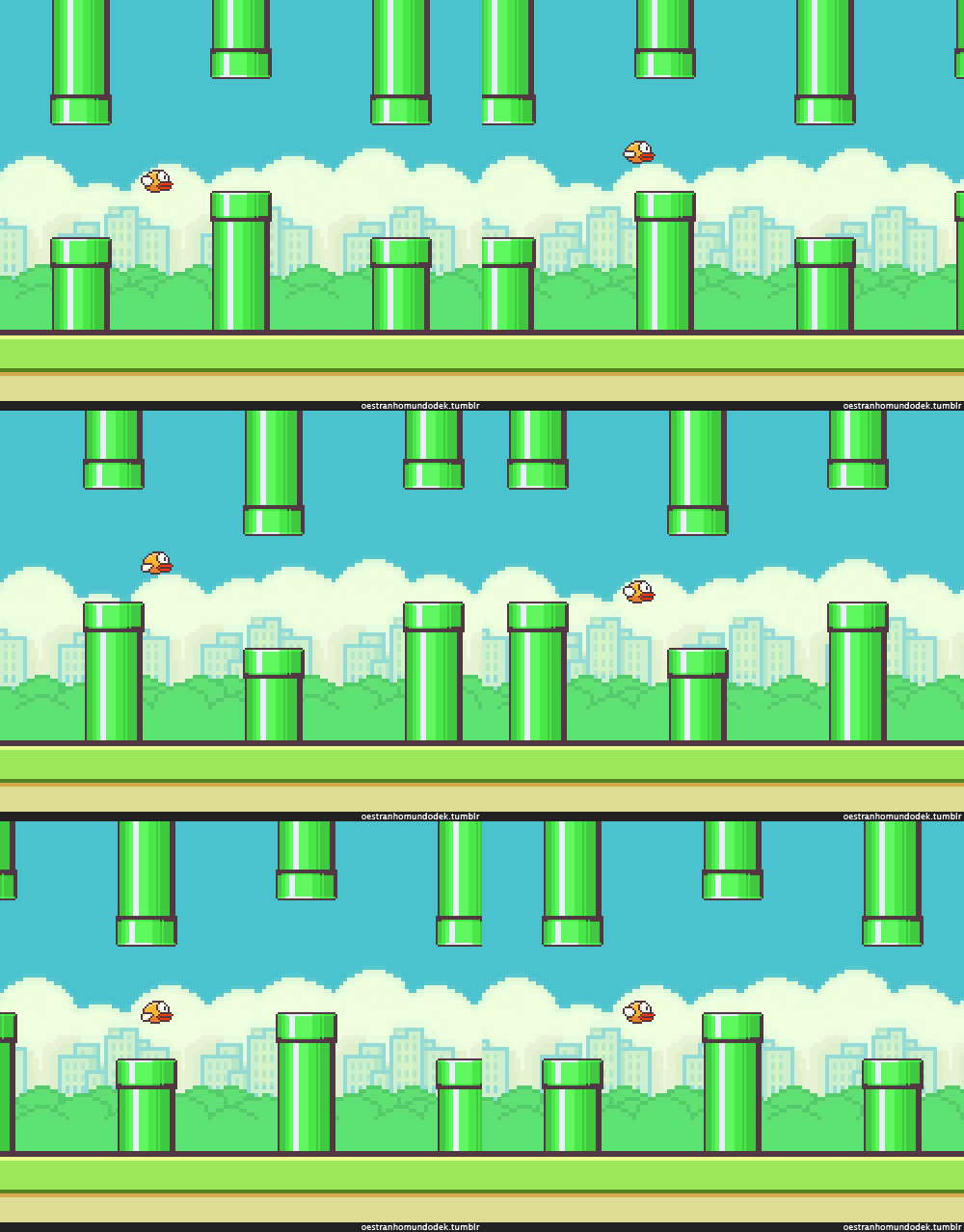
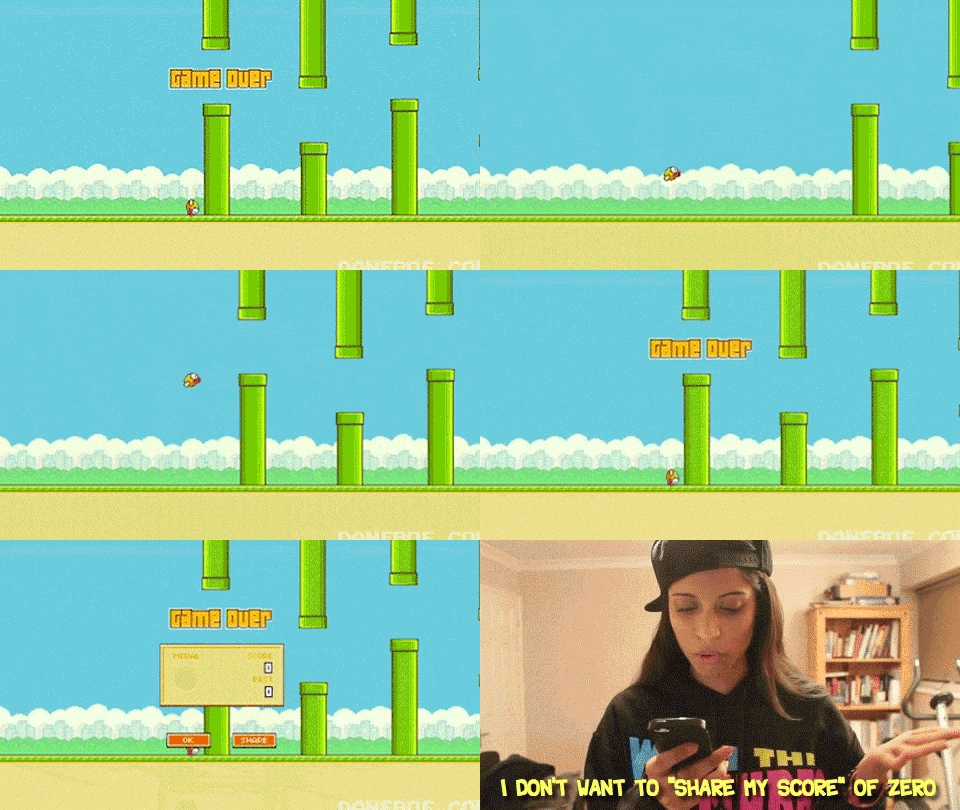
- The machine has an explicit role for the bird - the
agent - The bird needs to be controlled to fly farther - the
goal - Need to dodge various water pipes throughout the game - the
environment - The way to avoid the pipes is to make the bird fly a little harder - the
action - The farther you fly, the more points you will get - the
reward
You will find that the biggest difference between reinforcement learning and supervised and unsupervised learning is that it does not require a lot of data feeding. Instead, you learn certain skills by trying them out on your own.
-
Course 1: Fundamentals of Reinforcement Learning
-
Course 2: Sample-based Learning Methods
-
Course 3: Prediction and Control with Function Approximation
-
Course 4: A Complete Reinforcement Learning System (Capstone)
-
- Fundamentals of Reinforcement Learning
-
- Sample-based Learning Methods
-
- Prediction and Control with Function Approximation